At Australian Psychology and Speech Clinic, we offer comprehensive assessments in psychology, speech therapy, occupational therapy, physiotherapy, and related fields. Our assessments support understanding of sensory processing, emotional well-being, communication, behaviour, learning, and functional skills. Assessments help clarify diagnoses, inform treatment planning, and provide insights into an individual’s strengths and challenges at home, school, and in other social environments.
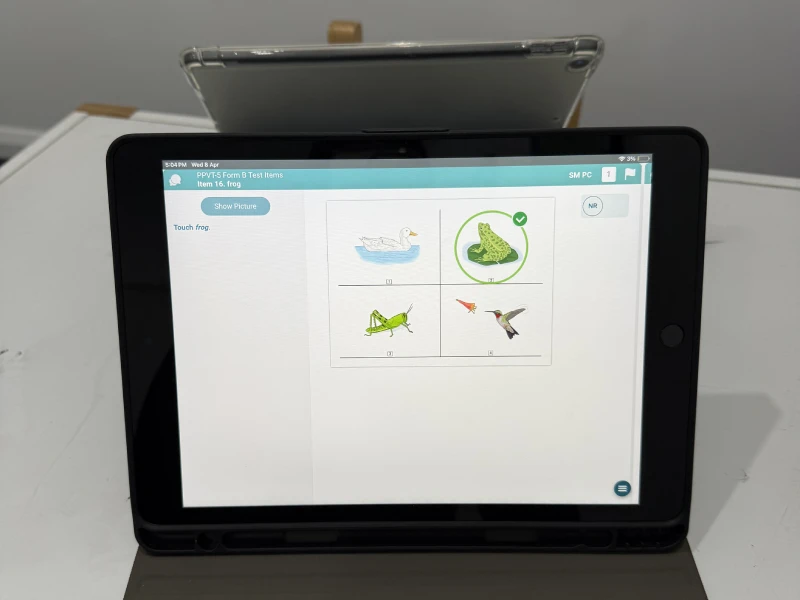
At APSC, our psychologists conduct Psychometric assessments using standardised, evidence-based tools, meaning results are measured against peers of the same age in Australia, giving an indication of how someone is performing relative to others. Psychometric assessments assist in measuring areas such as:
Adaptive functioning and daily living skills
Cognitive functioning and intellectual ability
Emotional wellbeing and behaviour
Attention, memory and executive functioning
Academic skills, including reading, writing, and mathematics
Psychometric Assessments
Evidence-Based Tools
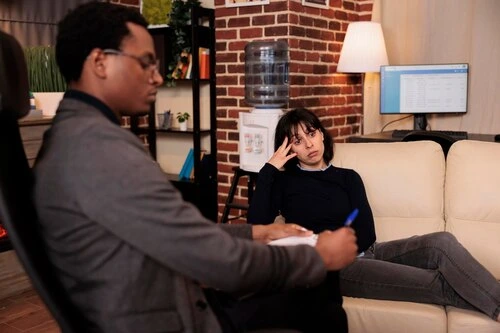
Our psychologists integrate assessment results with clinical interviews, background history, and input from people who know you well or other health professionals. This approach provides a comprehensive understandingof your strengths, challenges, and ongoing needs.
Following the assessment, we provide a debrief of your results and a written report with tailored recommendations for ongoing support, treatment planning, and strategies to help you thrive. Whether for work, study, or daily life, our goal is to help you understand yourself and reach your full potential.
What We Can Help With
Diagnostic Clarification
When overlapping symptoms make it difficult to determine the underlying cause of the challenges.
Mood & Anxiety Disorders
Assessing the impact of depression, stress, or anxiety on functioning
Autism Spectrum Disorder (ASD)
Comprehensive, neuroaffirming assessments that explore whether ASD diagnostic criteria are met, examine presentation, and identify individual challenges and support needs
Attention-Deficit/Hyperactivity Disorder (ADHD)
Evaluation of attention, focus, impulsivity, and executive functioning to better understand strengths and challenges.
Learning Difficulties
Evaluation of reading, writing, spelling, and mathematical skills to identify learning differences and inform targeted support.
Intellectual Disability
Assessment of cognitive abilities, developmental strengths, and delays to guide personalised support and intervention planning.
Career and Vocational Assessments
These assessments support individuals identify their strengths, interests, and abilities to guide them toward fulfilling study and career options.
Cognitive Functioning and Giftedness
Understanding intellectual ability including advanced abilities
Personality & Psychosocial Functioning
Gives a deeper understanding of your emotions, coping strategies, behaviour, and social interactions, helping identify strengths and areas for support.
School Readiness & Adjustment
Evaluating developmental, emotional, and cognitive abilities to help children transition confidently into preschool, primary, or high school.
Memory & Processing Concerns
Evaluating short-term & long-term memory, attention and information processing speed.
Functional Capacity Assessments
Assesses cognitive, physical, and emotional skills to inform personalised support and functional planning.
Diagnostic Clarification
When overlapping symptoms make it difficult to determine the underlying cause of the challenges.
Mood & Anxiety Disorders
Assessing the impact of depression, stress, or anxiety on functioning
Autism Spectrum Disorder (ASD)
Comprehensive, neuroaffirming assessments that explore whether ASD diagnostic criteria are met, examine presentation, and identify individual challenges and support needs
Attention-Deficit/Hyperactivity Disorder (ADHD)
Evaluation of attention, focus, impulsivity, and executive functioning to better understand strengths and challenges.
Learning Difficulties
Evaluation of reading, writing, spelling, and mathematical skills to identify learning differences and inform targeted support.
Intellectual Disability
Assessment of cognitive abilities, developmental strengths, and delays to guide personalised support and intervention planning.
Career and Vocational Assessments
These assessments support individuals identify their strengths, interests, and abilities to guide them toward fulfilling study and career options.
Cognitive Functioning and Giftedness
Understanding intellectual ability including advanced abilities
Personality & Psychosocial Functioning
Gives a deeper understanding of your emotions, coping strategies, behaviour, and social interactions, helping identify strengths and areas for support.
School Readiness & Adjustment
Evaluating developmental, emotional, and cognitive abilities to help children transition confidently into preschool, primary, or high school.
Memory & Processing Concerns
Evaluating short-term & long-term memory, attention and information processing speed.
Functional Capacity Assessments
Assesses cognitive, physical, and emotional skills to inform personalised support and functional planning.
Assessment process
Begin Your Journey to Better Health
Step 1
Referral Received
Obtain a referral from your health practitioner, such as a GP, paediatrician, or psychiatrist. If a medical practitioner is not available, referrals from a case manager, support coordinator, or other health professional may be accepted following consultation.
Step 2
Initial Consultation
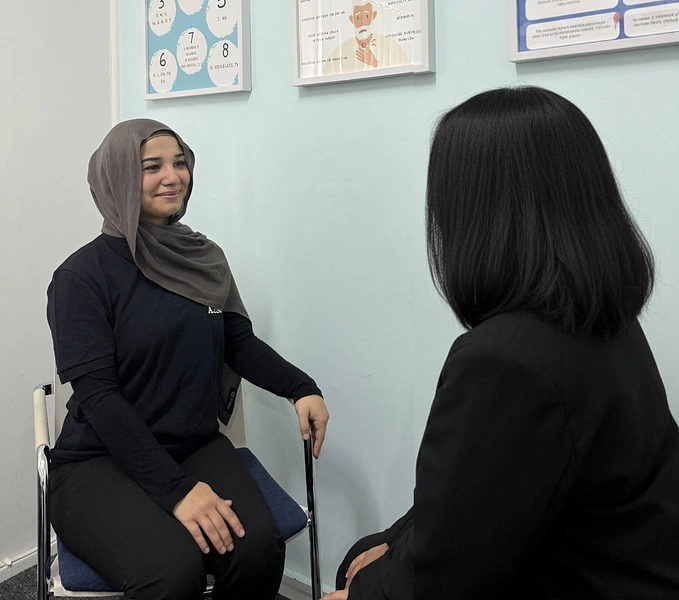
Attend an initial consultation to explore current functioning, presenting concerns, medical history, and relevant background information. This session helps the psychologist determine an appropriate assessment plan and test battery.
Step 3
Assessment & Data Collection
Formal assessment sessions are conducted, and information is gathered through standardised testing and rating scales completed by relevant informants (e.g., parents, teachers, or the individual).
Step 4
Scoring & Interpretation
The psychologist scores and interprets the assessment data, integrating results across all measures to form a comprehensive understanding of the presentation.
Step 5
Report Writing
A detailed report is prepared, outlining findings, interpretations, and recommendations. This process typically takes 6–8 weeks.
*Please refer below for priority report options and associated fees.
Step 6
Comprehensive Report Provided
A final comprehensive report is provided, including assessment results, clinical impressions, and tailored recommendations.
Step 7
Debrief Session
A follow up session is scheduled to discuss the assessment outcomes, clarify findings, and answer any questions you may have.
Clients may request a non-standard report timeframe. Requests are reviewed on a case-by-case basis, with no guarantee, and a Priority Fee applies.
Neurodevelopmental assessments require a referral from a medical practitioner (e.g., GP, paediatrician, or psychiatrist). Results are shared with the referrer to support ongoing care and planning.
Clinicians report findings objectively, even if outcomes differ from client expectations.
Dissatisfaction with results does not justify alteration or amendment of the report.
Medicare rebates are typically not available for psychometric assessments. Some private health insurers may provide partial coverage. Clients under 25 may be eligible for partial rebates for ASD testing with a paediatrician referral.
Speech Pathology Assessments
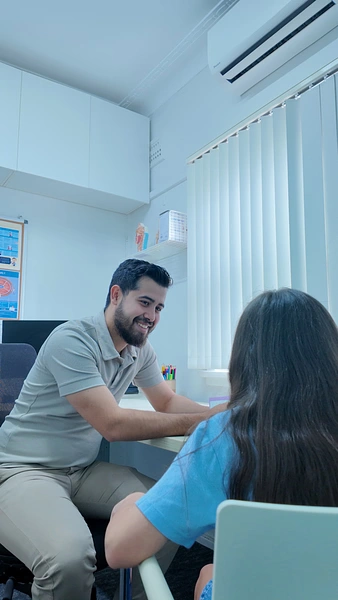
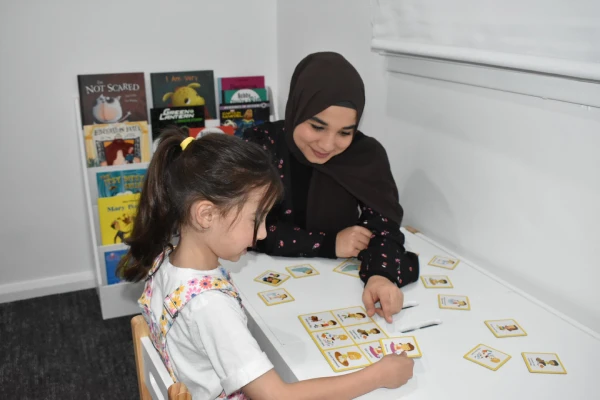
Our qualified speech pathologists conduct speech and language assessments to identify your strengths, challenges, and communication goals. These assessments guide personalised therapy and support. We serve clients of all ages and address speech clarity, language comprehension, social communication, voice, and swallowing.
What We Can Help With
We provide assessments for a wide range of areas, including:
Articulation & Speech Clarity
Evaluates how clearly sounds and words are produced.
Language Assessment
Assesses understanding and use of spoken or written language, including vocabulary, grammar, and comprehension.
Social Communication
Examines the ability to use language effectively in social situations, including conversation skills and nonverbal cues.
Augmentative & Alternative Communication (AAC)
Determines the need for communication aids or technology support.
Voice & Fluency
Looks at pitch, volume, quality, and stuttering or other fluency concerns.
Swallowing & Feeding
Evaluates safe and effective swallowing, chewing, and oral motor skills.
Cognitive-Communication
Assesses memory, attention, problem-solving, and executive functions that affect communication.
Pragmatic Language
Evaluates social use of language, including storytelling, turn-taking, and understanding figurative language.
Literacy-Related Language
Assesses skills related to reading, spelling, and written expression.
Auditory Processing
Examines how well sounds are heard and processed, affecting speech and language.
Voice & Resonance
Assesses pitch, tone, resonance, and potential vocal strain.
Motor Speech
Evaluates planning, coordination, and execution of speech movements (e.g., apraxia or dysarthria).
Articulation & Speech Clarity
Evaluates how clearly sounds and words are produced.
Language Assessment
Assesses understanding and use of spoken or written language, including vocabulary, grammar, and comprehension.
Social Communication
Examines the ability to use language effectively in social situations, including conversation skills and nonverbal cues.
Augmentative & Alternative Communication (AAC)
Determines the need for communication aids or technology support.
Voice & Fluency
Looks at pitch, volume, quality, and stuttering or other fluency concerns.
Swallowing & Feeding
Evaluates safe and effective swallowing, chewing, and oral motor skills.
Cognitive-Communication
Assesses memory, attention, problem-solving, and executive functions that affect communication.
Pragmatic Language
Evaluates social use of language, including storytelling, turn-taking, and understanding figurative language.
Literacy-Related Language
Assesses skills related to reading, spelling, and written expression.
Auditory Processing
Examines how well sounds are heard and processed, affecting speech and language.
Voice & Resonance
Assesses pitch, tone, resonance, and potential vocal strain.
Motor Speech
Evaluates planning, coordination, and execution of speech movements (e.g., apraxia or dysarthria).
Occupational Therapy Assessments
At APSC, our team of Occupational Therapists provide assessments across a wide range of areas to support daily living, independence, and participation:
Functional Capacity Assessment (FCA)
Measures ability to perform work-related or daily tasks safely and effectively.
Activities of Daily Living (ADL)
Assesses independence with self-care tasks such as dressing, feeding, bathing, and toileting.
Wheelchair & Seating Assessments
Evaluates mobility, posture, and functional needs to prescribe the most suitable wheelchair or seating system for independence and comfort.
Cognitive & Executive Function Assessment
Evaluates attention, memory, problem-solving, planning, and organisational skills required for daily functioning and independence.
Driving Assessment
Evaluates physical, cognitive, and perceptual skills required for safe driving, including in-clinic and on-road testing.
Fine Motor Skills
Evaluates hand strength, coordination, and dexterity for tasks like writing, cutting, and self-care.
Gross Motor Skills
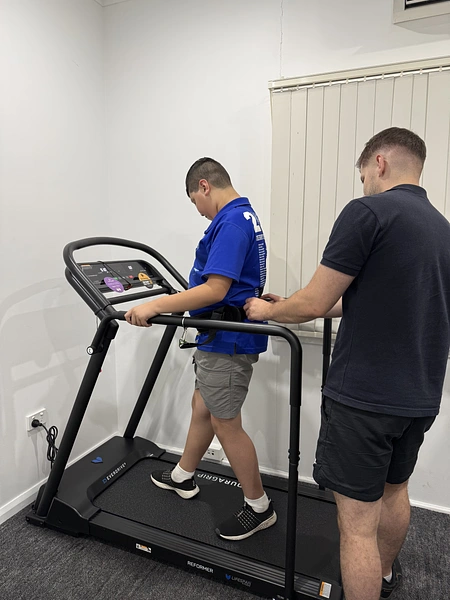
Assesses balance, coordination, and large muscle movements for mobility and daily activities.
Assistive Technology Assessment
Determines the need for adaptive equipment or technology to support independence at home, work, or school.
Sensory Processing
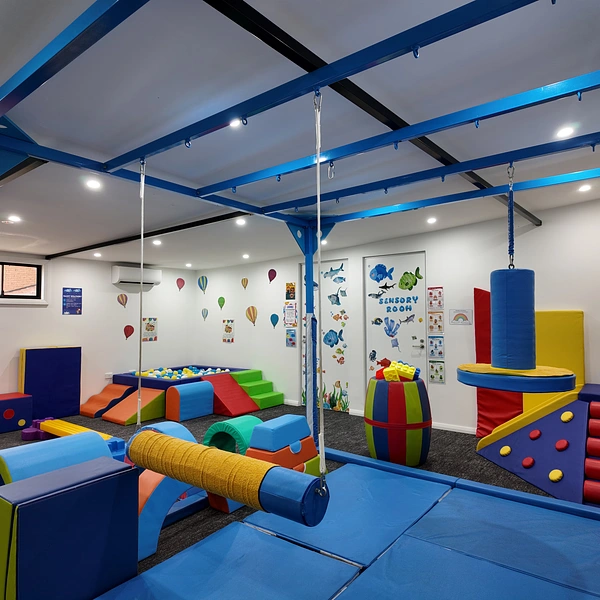
Examines how a person responds to sensory input (touch, sound, sight, movement) and its impact on daily functioning.
Instrumental Activities of Daily Living (IADL)
Evaluates skills needed for independent living, like cooking, shopping, and managing money.
Play
Assesses engagement in play, hobbies, and social participation, particularly for children.
Environmental & Home Assessment
Assesses physical spaces and supports to improve independence, safety, and accessibility.
Functional Capacity Assessment (FCA)
Measures ability to perform work-related or daily tasks safely and effectively.
Activities of Daily Living (ADL)
Assesses independence with self-care tasks such as dressing, feeding, bathing, and toileting.
Wheelchair & Seating Assessments
Evaluates mobility, posture, and functional needs to prescribe the most suitable wheelchair or seating system for independence and comfort.
Cognitive & Executive Function Assessment
Evaluates attention, memory, problem-solving, planning, and organisational skills required for daily functioning and independence.
Driving Assessment
Evaluates physical, cognitive, and perceptual skills required for safe driving, including in-clinic and on-road testing.
Fine Motor Skills
Evaluates hand strength, coordination, and dexterity for tasks like writing, cutting, and self-care.
Gross Motor Skills
Assesses balance, coordination, and large muscle movements for mobility and daily activities.
Assistive Technology Assessment
Determines the need for adaptive equipment or technology to support independence at home, work, or school.
Sensory Processing
Examines how a person responds to sensory input (touch, sound, sight, movement) and its impact on daily functioning.
Instrumental Activities of Daily Living (IADL)
Evaluates skills needed for independent living, like cooking, shopping, and managing money.
Play
Assesses engagement in play, hobbies, and social participation, particularly for children.
Environmental & Home Assessment
Assesses physical spaces and supports to improve independence, safety, and accessibility.
See why our patients trust us. Real reviews, real results, straight from the families we support.
            Trustindex verifies that the original source of the review is Google. I would like to say big thanks to Fatima and Roukaya for their amazingly hard and sincere work contribution after my son. They both made me to believe that therapies really work if done sincerely and lovingly.  Thanks to Ebru and Sanya for helping me out with appointments and advices. I had great experience working with them. They all are highly professional yet down to earth people.    Posted on Google          Bushra Vohora          Trustindex verifies that the original source of the review is Google. I m really happy with speech therapy fatima .I can see my son speaking a lots of words and sometime singing nursery rhymes too.    Posted on Google          Purna          Trustindex verifies that the original source of the review is Google. Fatima is very good for kids    Posted on Google          David Chen          Trustindex verifies that the original source of the review is Google. I have been taking my son here for a few years now and have been working with ebru hamza sidra and asra for speech ot and behaviour Thearpy they have been absolutely amazing with everything especially there communication and helping me understand a lot of things especially because it can get overwhelming at times couldn’t ask for better    Posted on Google          Sera El jassem          Trustindex verifies that the original source of the review is Google. Extremely professional and loving!we felt comfortable the minute we walked in and my daughter absolutely loved being there! Thank you to Ebru for your amazing service    Posted on Google          MsFayy          Trustindex verifies that the original source of the review is Google. Ebru and the team have supported us through our brightest and darkest times. I highly recommend them as they come off with an empathetic and understanding approach!    Posted on Google          Amina Zreika          Trustindex verifies that the original source of the review is Google. I am so impressed and so happy with the services provided by Ebru and her team , they are amazing , and definitely have seen my son flourish in ways I have never imagined , my family and friends have all seen the difference they have made within my son and couldn’t be more prouder even at his school with his teachers are amazed on how far he has come, eray has helped my son develop a understanding and a good relationship with his self confidence and health journey  , hamza has also helped him develop life skills and brought him out of his shell I am so happy with their services and will continue on and recommend them to parents who need the best services for their children    Posted on Google          Salwa Zreika          Trustindex verifies that the original source of the review is Google. Rukaya is really good    Posted on Google          Hayat Sayed          Trustindex verifies that the original source of the review is Google. Rukaya is teaching Hassan. All the things he. Needs for his future. Thank you for building a good relationship with him    Posted on Google          Rima Jaafar          Trustindex verifies that the original source of the review is Google. Thank you for the amazing service. I work with Ebru, and she contributed so much to ensure my progress and it has helped me so much and my mother could not be ever grateful for her services.

Her support, patience, and professionalism have made a noticeable difference in my positive outlook on scenarios that I encounter daily and my overall wellbeing. I am truly grateful for the care she provides and the positive environment she creates every session.

I would also love to thank Hamza, who I've been working with for OT. A very kind person and engaging person to get along with. His support and professionalism in time management strategies have helped me so much during my HSC exam period and I will continue to apply them in the long-term. A very good recommendation for a therapist for those who are struggling with time management issues.

Finally, I also want to thank Sidra, who is also working with me for speech and a very friendly, engaging person to work with. Despite being with her for a short time, I have learnt so many things from her that I use to improve myself in speech. She has been amazing I appreciate the support and everything she has done to help me in speech.

I would highly recommend them to any family looking for dedicated and compassionate therapists    Posted on Google          Umair Razien
Edit Template
We offer holistic therapy to address every need.
At Australian Psychology and Speech Clinic, every therapy plan is personalised and rooted in the latest evidence-based research.
Assessments
Our comprehensive assessments help to identify strengths and support needs, offer diagnostic clarification, and guide personalised, evidence-based intervention planning.
Our comprehensive assessments help to identify strengths and support needs, offer diagnostic clarification, and guide personalised, evidence-based intervention planning.
Our comprehensive assessments help to identify strengths and support needs, offer diagnostic clarification, and guide personalised, evidence-based intervention planning.
Our comprehensive assessments help to identify strengths and support needs, offer diagnostic clarification, and guide personalised, evidence-based intervention planning.
Our comprehensive assessments help to identify strengths and support needs, offer diagnostic clarification, and guide personalised, evidence-based intervention planning.
Our comprehensive assessments help to identify strengths and support needs, offer diagnostic clarification, and guide personalised, evidence-based intervention planning.
Our comprehensive assessments help to identify strengths and support needs, offer diagnostic clarification, and guide personalised, evidence-based intervention planning.
Our comprehensive assessments help to identify strengths and support needs, offer diagnostic clarification, and guide personalised, evidence-based intervention planning.
Do I need a referral to start the assessment process?
Yes, a referral from a medical practitioner such as a GP, paediatrician, or psychiatrist is required. In some cases, referrals from a case manager, support coordinator, or other health professional may be accepted following consultation with our team.
What happens during the initial consultation?
The initial consultation involves discussing current functioning, presenting concerns, medical history, and relevant background information. This session helps our clinician’s determine the most appropriate assessment approach and tools.
How long does it take to receive the report?
The report writing process typically takes 6–8 weeks after the assessment is completed. Priority report options may be available for an additional fee, subject to approval.
Can the report be changed if I don’t agree with the results?
No, clinicians are required to report findings objectively based on assessment data. Reports cannot be altered due to dissatisfaction with outcomes.
How do I book an appointment?
You can book by calling us on 1800 626 423, submitting our online enquiry form, or emailing us at info@apsc.com.au.
If you or a loved one is experiencing a crisis, contact 000 (AU) immediately.
Australian Psychology and Speech Clinic does not provide emergency or crisis management services.
We acknowledge Aboriginal and Torres Strait Islander peoples as Australia’s First People and Traditional Custodians. We pay our respects to Elders past, present and emerging.